FIBC Selection Guide
FIBC Type Comparison: Type A vs B vs C vs D
Not sure which custom FIBC bags you need? The four standard FIBC types differ in electrostatic protection, grounding requirements and approved applications. This guide compares Type A, B, C and D bulk bags so you can specify the right one — then build it in the Configurator or take the Which FIBC Do I Need? quiz.
At-a-glance comparison
The four FIBC types are defined by their electrostatic (antistatic) behaviour under EN 61340-4-4.
| Attribute | Type A | Type B | Type C | Type D |
|---|---|---|---|---|
| Antistatic protection | None | Low (no sparks) | Full (conductive) | Full (static-dissipative) |
| Requires grounding | No | No | Yes (mandatory) | No |
| Safe with flammable dust | No | No | Yes | Yes |
| Safe with flammable vapour | No | No | Yes (grounded) | Yes |
| Typical use | Non-hazardous dry bulk | Food / pharma (clean) | Combustible dust & vapours | Combustible dust & vapours |
| Key standard | ISO 21898 | ISO 21898 | EN 61340-4-4 (C) | EN 61340-4-4 (D) |
What each type is built for
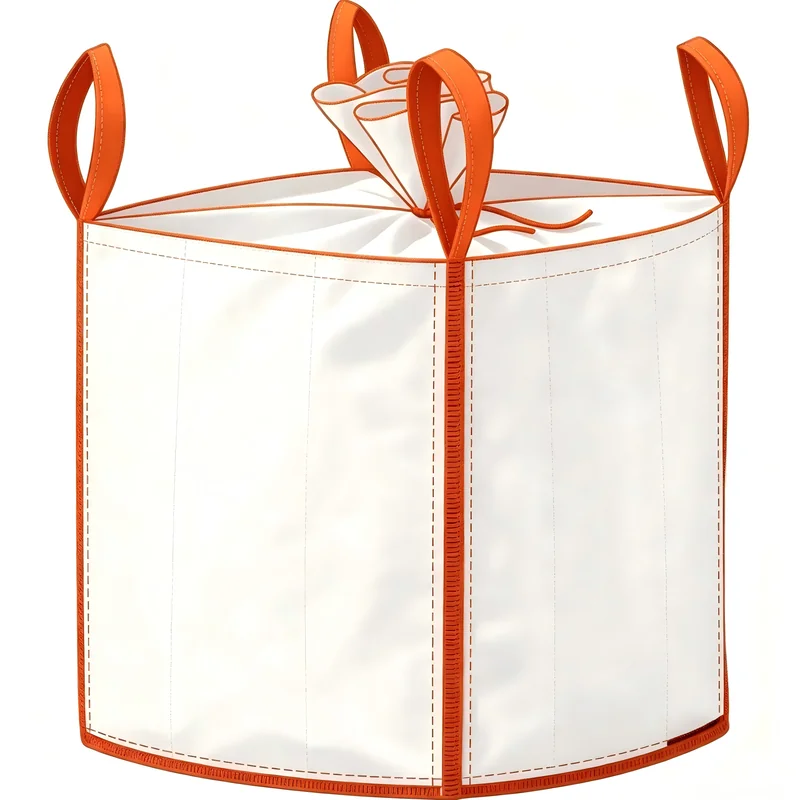
Standard FIBC
The baseline bulk bag for non-hazardous, non-flammable products.
- No electrostatic protection
- Best for sand, minerals, plastics, grains
- Lowest cost, fully customisable
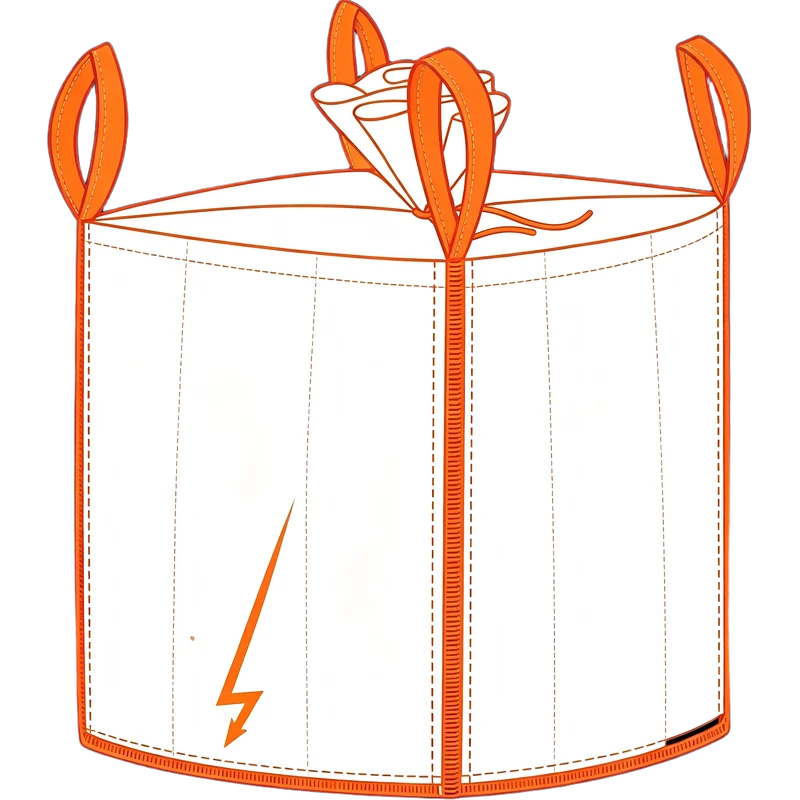
Food-Grade / Clean
Low-breakdown-voltage fabric that prevents energetic sparks; ideal for hygienic lines.
- No protruding loops / low surface energy
- Food, pharma, seed applications
- Meets clean-room handling needs
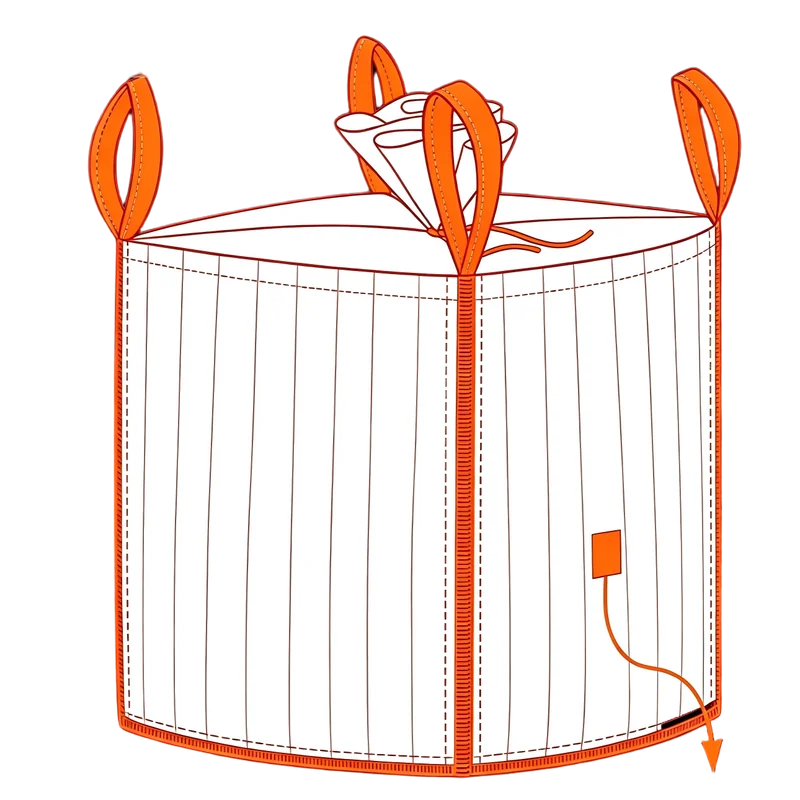
Conductive (Groundable)
Interwoven conductive threads must be grounded during fill & discharge.
- For combustible dust and flammable vapours
- UN hazardous-goods compatible
- Requires verified grounding each use
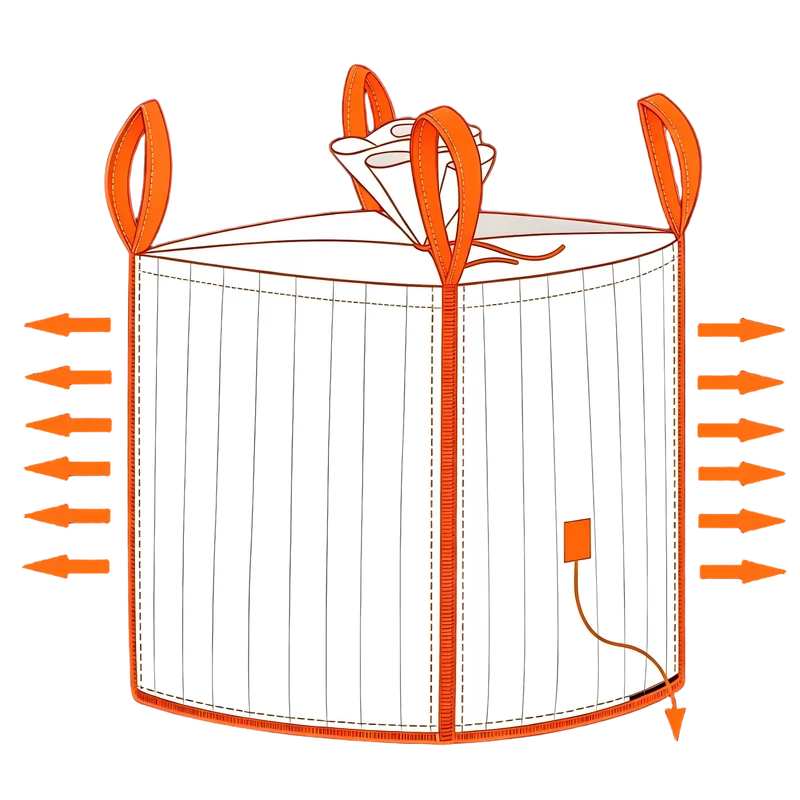
Static-Dissipative
Special static-dissipative fabric safely clears charges with no grounding.
- Combustible dust & vapour environments
- No grounding needed — simpler & safer ops
- Preferred for frequent changeovers
Frequently asked questions
What is the difference between Type C and Type D FIBC?
Both control electrostatic discharge, but Type C uses conductive threads that must be grounded during use, while Type D uses static-dissipative fabric that needs no grounding. Type D is often preferred where grounding discipline cannot be guaranteed.
When do I need a grounded (Type C) bag?
When you handle flammable or combustible dusts, or flammable solvent vapours, and your site can guarantee a verified ground connection at every fill and discharge. Otherwise choose Type D.
Are Type A bags safe for flammable materials?
No. Type A bags offer no antistatic protection and must never be used where combustible dust or flammable vapour is present.
Do Type D bags require grounding?
No. Type D bags are engineered to dissipate electrostatic charges safely without a ground connection, provided they are used and stored per the manufacturer instructions.